The Power of Awareness
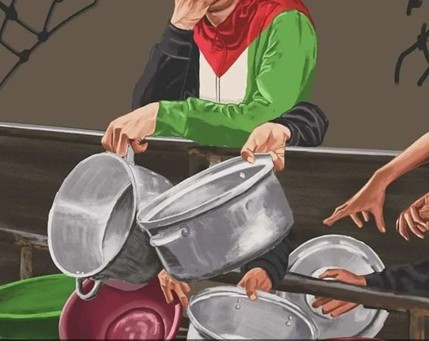
There are many situations in life where people suffer simply because no one is aware or willing to speak.
Why Awareness Matters
Awareness is important because it gives people knowledge, and knowledge gives power. When people are informed, they can protect themselves and others. They can make better choices about their health, safety, education, and future.
Many issues continue not because they cannot be solved, but because they are hidden or ignored. When awareness increases, silence reduces, and action begins.
For example, when communities learn about rape, human trafficking, domestic violence, child abuse, discrimination, mental health struggles, poverty, and corruption, they begin to understand that these are not private problems. They are human problems that require attention, protection, and responsibility.
In one case, a young girl may be suffering abuse at home but feels too scared to speak. If the community is aware and educated, someone may notice the signs and step in before it becomes worse. Awareness saves lives in ways people do not always see immediately.
Types of Awareness
There are many types of awareness that help people understand life more deeply:
- Personal awareness – understanding your emotions, behavior, strengths, weaknesses, and how your choices shape your life.
- Social awareness – understanding other people’s feelings, struggles, cultures, and experiences with respect.
- Public awareness – information shared across society about important issues like health, safety, and human rights.
- Health awareness – knowing how to take care of your body and mind, including nutrition, hygiene, and disease prevention.
- Mental health awareness – understanding stress, anxiety, depression, and trauma, and removing shame around seeking help.
- Environmental awareness – understanding how actions affect climate, pollution, and the planet.
- Cultural awareness – respecting different traditions, beliefs, and ways of life.
- Digital awareness – knowing how to stay safe online, avoid scams, and recognize false information.
- Human rights awareness – knowing your rights and the rights of others, and recognizing injustice.
- Gender awareness – understanding equality and recognizing gender-based violence and discrimination.
- Safety awareness – being alert to dangers like abuse, exploitation, trafficking, and unsafe environments.
All these types work together. When one is missing, people become vulnerable. When all are present, communities become stronger and safer.
Issues Awareness Helps Expose
Awareness helps expose serious issues such as:
rape and sexual violence, human trafficking, domestic violence, child abuse, discrimination, forced labor, mental health stigma, poverty, and inequality.
Many victims suffer silently because they feel alone or afraid. Awareness changes that. It reminds people that these issues are real, and help is possible.
Using Platforms to Spread Awareness
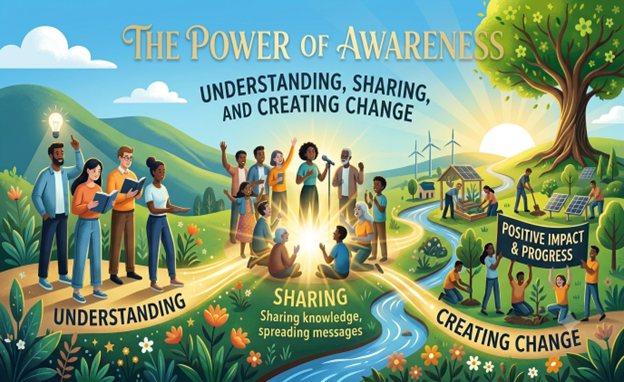
Today, communication is powerful; Social media, blogs, podcasts, radio, WhatsApp groups, and even daily conversations can spread awareness quickly ; A single message can reach thousands of people; A short video can open someone’s eyes; A story can help someone feel seen for the first time.
For example, a young person posting about mental health may help another person who was silently struggling. A survivor sharing their story online may give courage to someone still trapped in silence ; Even a simple post correcting false information can protect many people from being misled.
Responsibility in Sharing Information
Using platforms comes with responsibility. Not everything online is true, and sharing without thinking can cause harm.
Before sharing, ask yourself:
- Is this information true?
- Is it respectful to others?
- Will it help or harm someone?
- Am I protecting victims or exposing them?
Awareness should never be used to spread fear, shame, or confusion. It should protect dignity, encourage truth, and build understanding.
The Power of Speaking Out
One of the strongest parts of awareness is the courage to speak out. Speaking out means refusing to stay silent when something is wrong. It means using your voice to protect others, share truth, and stand against injustice.
Silence is often what allows abuse and injustice to continue. But speaking out breaks that silence.
For example, a survivor of rape or sexual violence may stay silent for years because of fear or shame. But when one person speaks out, it can lead to justice, support systems, and awareness that helps others realize they are not alone. In many communities, one brave voice has started movements that changed laws and attitudes.
In cases of human trafficking, victims are often hidden and controlled. But awareness campaigns and people speaking out have helped identify warning signs, rescue victims, and prevent others from being taken.
In domestic violence, a neighbor hearing repeated shouting or seeing injuries and choosing to speak out can save a life. Many survivors only get help because someone noticed and cared enough to act.
Even in discrimination, speaking out helps others understand that unfair treatment is not normal or acceptable. It challenges systems that normalize injustice.
Speaking out is not always big. It can also be:
- correcting false information
- reporting harmful content online
- checking on someone who seems mentally overwhelmed
- standing up for someone being bullied
One small voice can change someone’s entire life path.
But speaking out must be done wisely with truth, respect, and care. The goal is not to create fear, but to create awareness, safety, and healing.
Call to Action: What You Can Do
Awareness is not just something to read it is something to practice.
You can:
- speak up when something is wrong
- support victims instead of judging them
- share correct and helpful information
- learn about issues in your community
- be a safe person others can trust
- use your platform, no matter how small, responsibly
Change does not only come from leaders. It comes from ordinary people choosing to care.
Therefore,Awareness is not just knowledge it is transformation. It changes how people think, how they act, and how they treat others.
When individuals become aware, they grow. When communities become aware, they become safer and stronger. When the world becomes aware, justice and change become possible.
Every person has a voice, and every voice has power. The real question is not whether awareness can change the world but whether we are willing to use our voice to help change it.